Journal
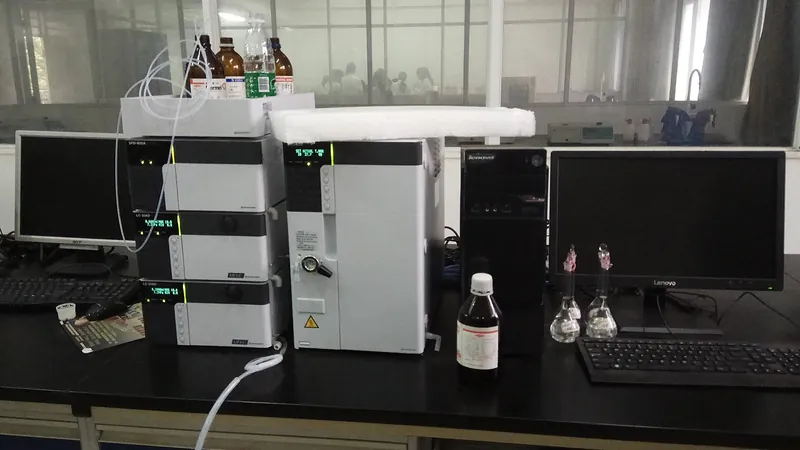
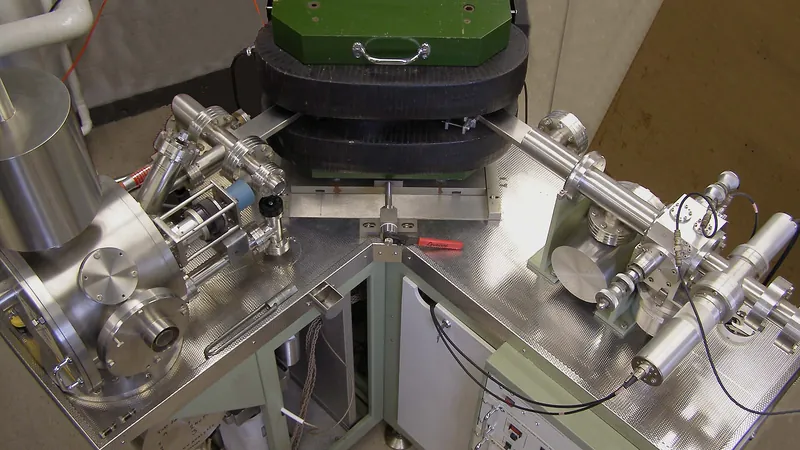
Ten articles on how peptides are tested, what each line of a lab report means and how to check it at the lab.


All articles
 Reading reports
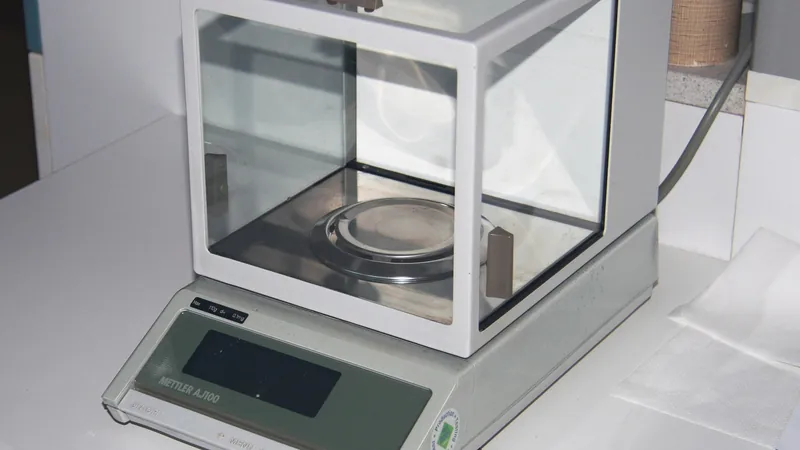
Measured content versus the label: why the numbers differ
The label is the amount the vial is meant to hold. The report is the amount the lab found. They are rarely identical.
2 min read · 4 sources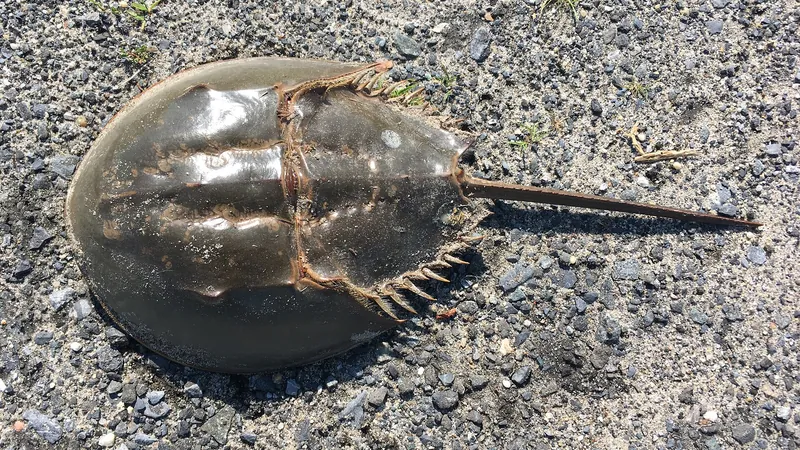 Testing
Bacterial endotoxin testing, explained
Endotoxin is an easy line to skip on a report. It answers a question that purity never can.
2 min read · 3 sources Testing
Heavy metals: what "not detected" really means
"Not detected" is the result everyone wants to see. It has a precise meaning, and it is worth knowing it.
2 min read · 3 sources Testing
TAMC and TYMC: what the microbial counts on a report measure
The last test on each BP report is a pair of microbial counts. Here is what they look for, and what a pass does and does not say.
2 min read · 3 sources Handling
Storing research peptides in a hot, humid climate
A lab report describes the vial on the day it was tested. Heat and moisture decide what it looks like months later.
2 min read · 3 sources Buying
Eight checks before you trust a peptide supplier
Labels and prices are easy to copy. These eight checks are not.
2 min read · 4 sourcesBP sells research materials for laboratory use only. These articles explain laboratory testing and lab reports. They are not medical advice and not instructions for use.
