Journal · Testing
TAMC and TYMC: what the microbial counts on a report measure
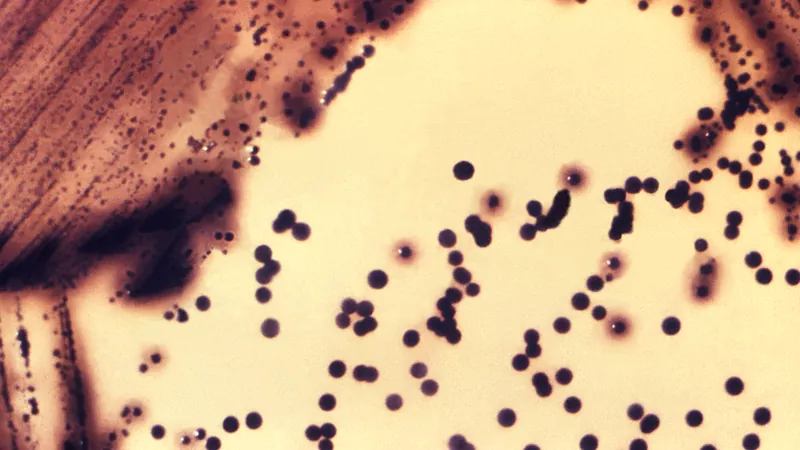
TAMC counts aerobic bacteria and TYMC counts yeasts and moulds grown from the sample; a pass means both counts were within the limit.
Uses the lab reports of the 11 tested lots on this site
Key takeaways
- TAMC counts aerobic bacteria; TYMC counts yeasts and moulds. Both grow from the sample on culture plates.
- The counts check a product against a microbial limit. They are designed for products that are not sterile.
- Even a full sterility test only shows that no micro-organism was found in the sample tested.
The last test on each BP report is a pair of microbial counts. Here is what they look for, and what a pass does and does not say.
What the report says
On BP's reports the test is requested as "Sterility testing (TAMC+TYMC)". The results are two lines, TAMC and TYMC, each reported as PASS[1]. Every lot on this site passed both.
Two counts
The microbial enumeration tests of the European, US and Japanese pharmacopoeias count the bacteria and fungi that can grow in air at moderate temperatures. They are designed to show whether a substance meets an established specification for microbiological quality[2].
- TAMC: total aerobic microbial count, grown on casein soya bean digest agar.
- TYMC: total combined yeasts and moulds count, grown on Sabouraud-dextrose agar.
What PASS means
PASS means the counts met the lab's criterion. The report does not print the criterion. For the limit that was applied, ask the lab or the supplier.
Counts are not a sterility test
The pharmacopoeias have a separate sterility test for products that must be sterile. Even that test has a stated limit. A satisfactory result only shows that no contaminating micro-organism was found in the sample examined, under the test's conditions[2]. A microbial count tells you how many organisms grew from the sample. Neither test can promise anything about an untested vial, or about what happened after testing.
Microbes and endotoxin are different questions
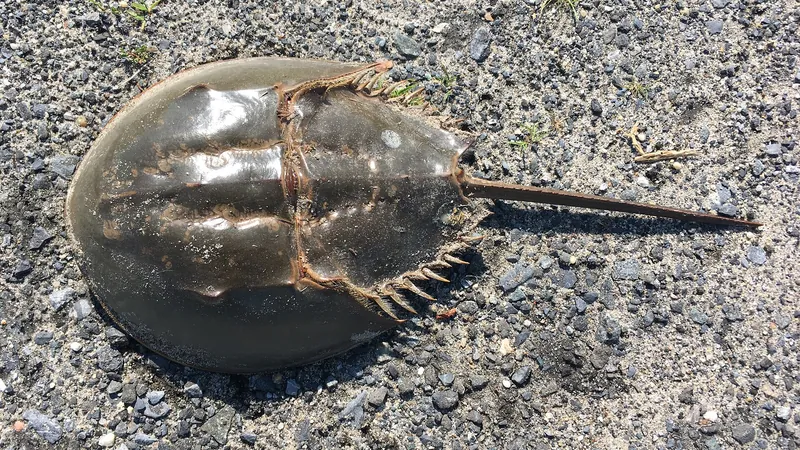
Microbial counts look for organisms that grow on a plate. Endotoxin is a substance from Gram-negative bacteria, measured by its own test[3]. A good result on one says nothing about the other. The endotoxin article explains that test.
Check it on real reports. The COA library has the full lab reports for 11 lots, with the original PDFs and links to the lab's own copies. Open the COA library
Sources
- Bali Peptide Supply. COA library: every lab report for the lots sold on this site. Reports issued by Janoshik Analytical, with their task numbers, keys and original PDFs. balipeptidesupply.com/coa/
- Japanese Pharmacopoeia (PMDA). 4.05 Microbial enumeration tests and 4.06 Sterility test (harmonised chapters). English text, harmonised with the European and US pharmacopoeias. pmda.go.jp (PDF)
- Pharmacopoeial Discussion Group. Bacterial Endotoxins Test, Revision 2 (harmonised USP <85>, Ph. Eur. 2.6.14, JP 4.01). Sign-off cover sheet version 2, April 2026, published by PMDA. pmda.go.jp (PDF)
Each source was read in its own document on 16 Oct 2026. Numbers about BP's lots come from the reports in the COA library.
How this article was made
Written by Bali Peptide Supply from the sources listed above, each read in its own document on 16 Oct 2026. Every number about our lots comes from the Janoshik Analytical reports in the COA library, read by the site build, not typed by hand. The lead photo is from Wikimedia Commons under a free licence.
BP sells research materials for laboratory use only. This article explains laboratory testing and lab reports. It is not medical advice and not instructions for use.
Keep reading
 Testing
Bacterial endotoxin testing, explained
Endotoxin is an easy line to skip on a report. It answers a question that purity never can.
2 min read · 3 sources Testing
Heavy metals: what "not detected" really means
"Not detected" is the result everyone wants to see. It has a precise meaning, and it is worth knowing it.
2 min read · 3 sources Reading reports
How to read a Janoshik test report, field by field
A lab report answers a few precise questions. This guide takes one real report from our COA library and reads it one field at a time.
4 min read · 3 sources